Custom software development: when it makes sense
A practical guide to deciding when custom software development is worth it, what risks it avoids and how to design a system you can maintain.
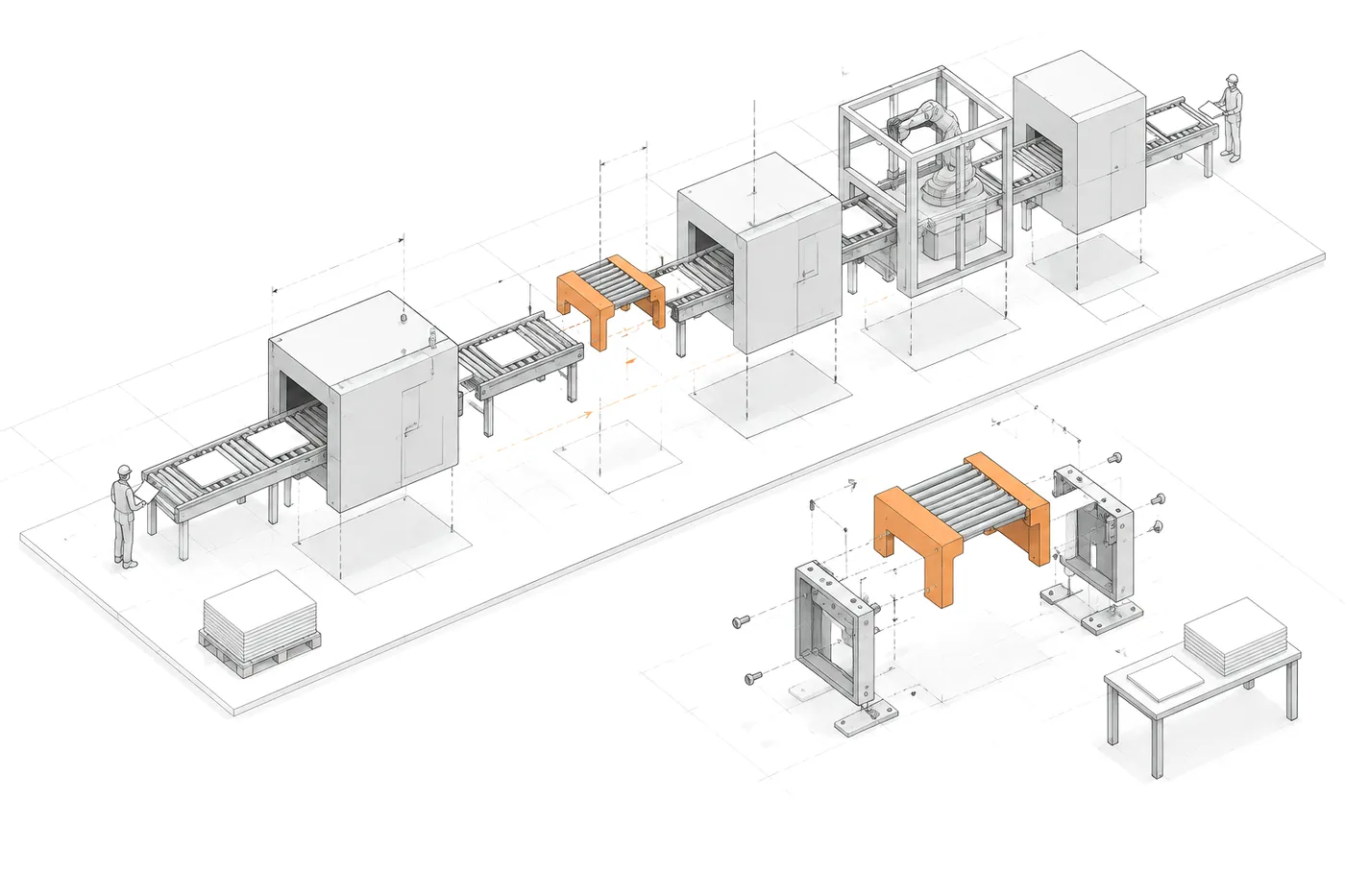
Companies rarely look for custom software development because they want code. They look for it when an important part of the business no longer fits the tools they use: spreadsheets that collide, processes held together by one person, data scattered across systems, or a CRM that forces the team to work backwards.
The risk is mistaking the symptom for the solution. “We need an application” can mean many things: automating a queue, structuring data, replacing an old platform, building an internal panel or connecting systems that do not talk to each other.
Custom software development makes sense when the process you need to support is specific, stable and important enough to design a tool around it; not when you only want a cheaper version of a standard product.
What custom software development really means
Custom software development is not starting from scratch for technical pride. It is building a system around a specific way of working.
The difference is not just the interface. It is the rules the system applies, the data it stores, how it connects with what already exists and which claims it refuses to make because the data cannot support them.
A standard tool starts from a general model: a CRM, an ERP, a store, a CMS. That may be enough if your process fits reasonably well. A custom system starts from a different question: how does your business actually work, and which part of that work should no longer depend on memory, spreadsheets, email or workarounds?
That is why I frame custom software as systems work: internal tools, custom CRMs, legacy modernization, integrations and data layers built for a specific need.
When building something custom is worth it
There are clear signals. None of them automatically means “build”; but when several appear together, it is worth looking seriously.
- The process is part of your edge. It is not generic administration: it is how you sell, produce, approve, book, evaluate or deliver.
- The standard tool makes people work around it. The team spends more time bypassing the system than using it.
- You have your own rules. Statuses, exclusions, permissions, calculations, queues or validations that do not fit cleanly.
- The data has to be reliable. You do not just need a screen; you need history, traceability, evidence or a source of truth.
- Several systems are connected by hand. Export, copy, paste, check, repeat.
- The current platform is too small, but contains years of data, links or processes. In that case, the work is often not to throw everything away, but to modernize without losing what still works.
There are also signals not to build. If the process is standard, changes every week or you do not yet know how it should work, it may be better to configure an existing tool, document the workflow and wait. As I wrote in software should fit the business, custom work is for the parts where it matters, not for everything by default.
Example: modernizing without losing years of content
Sometimes custom software development does not start with a new idea. It starts with an old platform that already carries the business.
Rocio.com was not about publishing another website. It meant rebuilding a digital property with an editorial archive dating back to 1992, a WordPress installation with around 15 years of history, 11,596 news articles, 169 brotherhood pages and 47,401 migrated media files.
The important decision was to normalize before building on top. If content is trapped in metadata, dates are stored as text and entities are hard to query, every new feature inherits the problem. First comes the data model; then the editorial panel, redirects, search and the assistant over the archive.
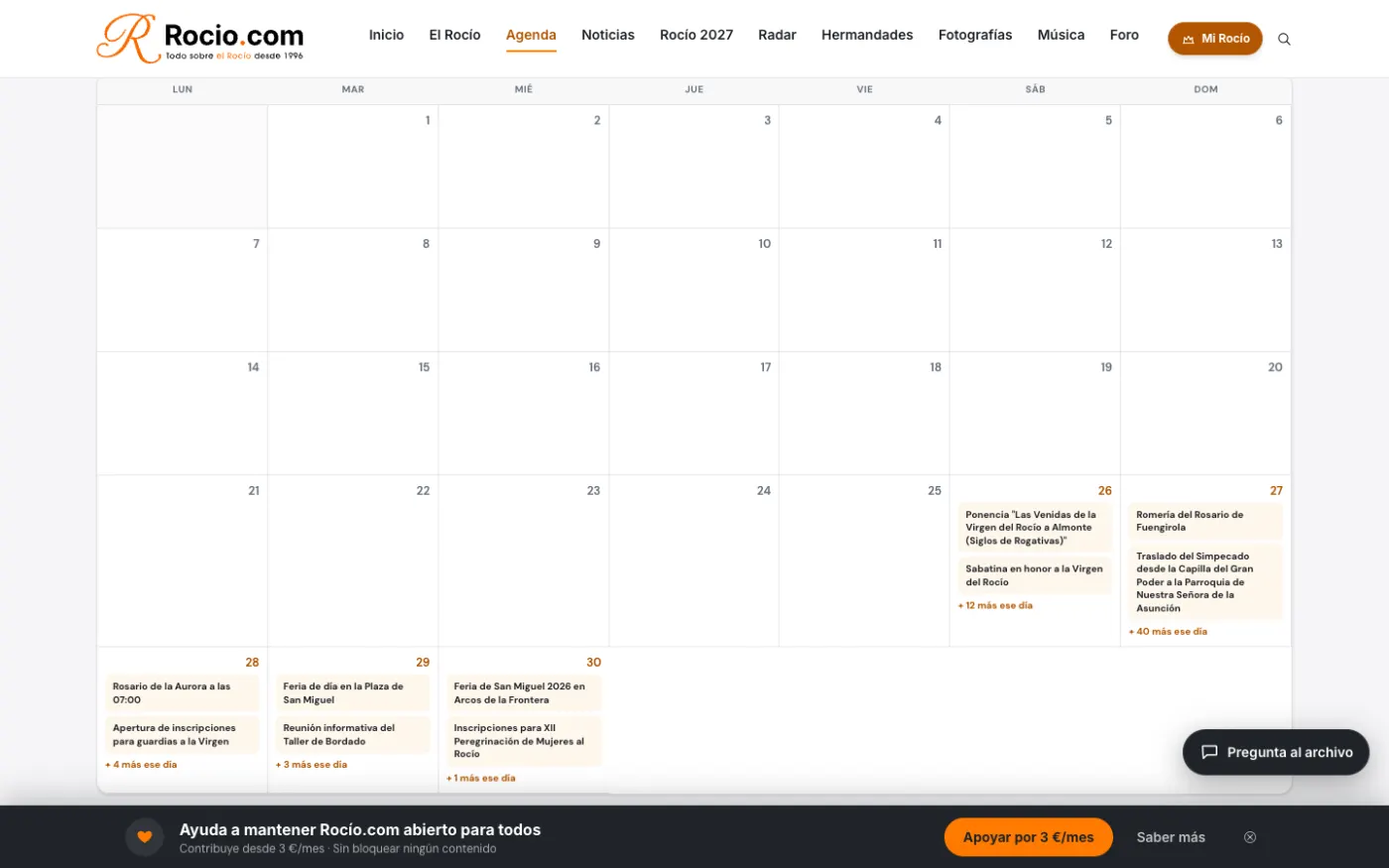
That is the logic behind legacy system modernization: keep what is valuable, isolate what is fragile and rebuild what prevents the system from evolving.
Example: one core for several businesses
Zentia shows another reason to build a custom system: when several brands, branches or clients need the same core, but their data must never mix.
The platform runs several real-estate agencies from one Nuxt and Supabase core. Each agency has its own brand, listings, leads and admin panel. The important part is that separation does not depend on the interface: each row belongs to an agency, and the isolation is enforced in the database with Row Level Security.
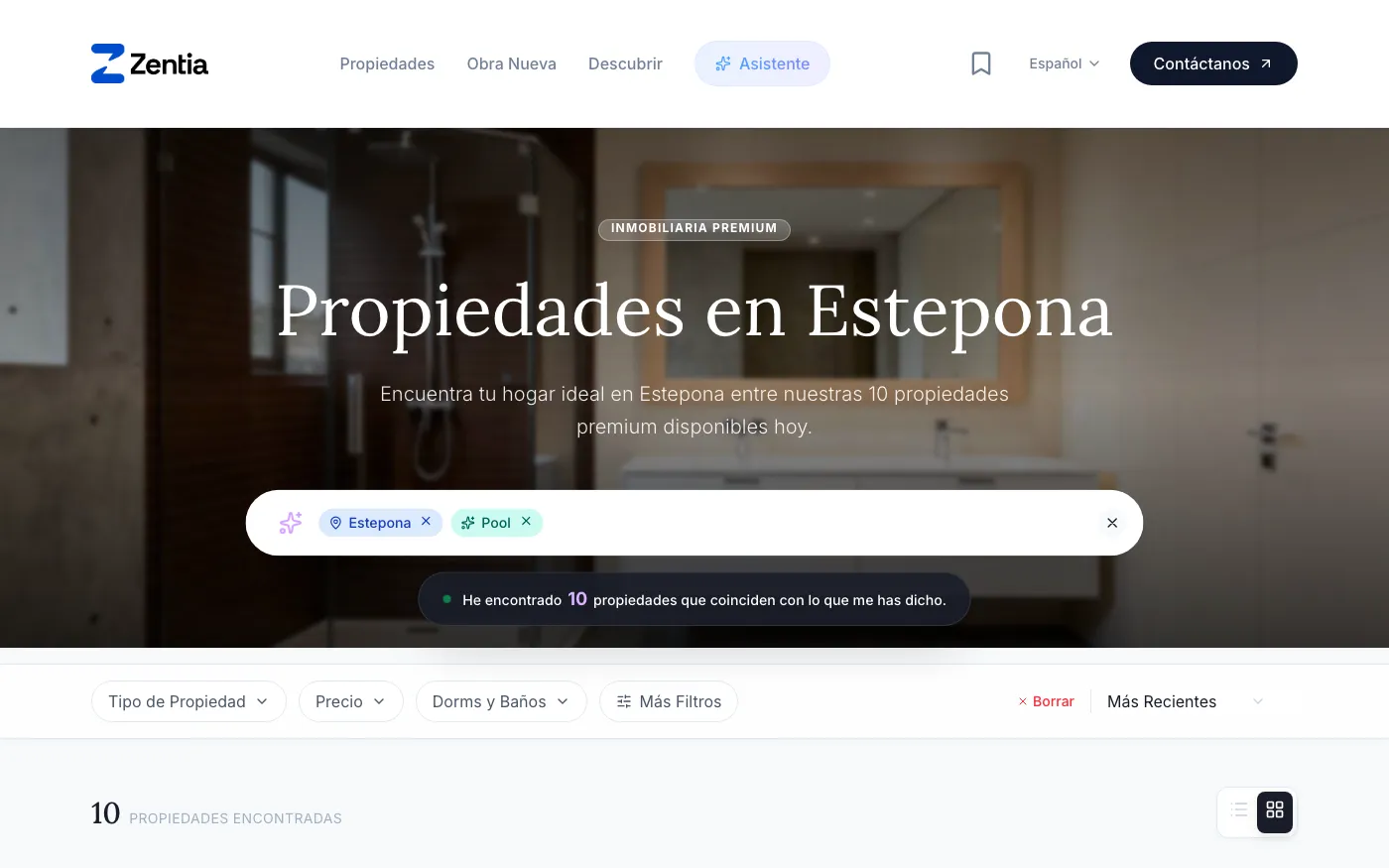
This is the kind of architectural decision that does not show up in a sales demo, but determines whether the system is safe to run and maintain.
How I would approach a custom build
Before estimating screens, the decision needs structure. A good start is not an endless feature list; it is a clear map of process, data and risk.
- Write down the real process. What happens today, who is involved, what gets decided and where things get stuck.
- Separate the critical from the convenient. Not everything that can be built belongs in the first version.
- Define the source of truth. Which data wins when two systems disagree, and what history must be kept.
- Move important rules to the server. Critical behaviour cannot depend on someone clicking the right button.
- Decide what the system will not claim. If the data does not exist or is not reliable, the system should not present it as fact.
- Build a first operational version. Small, but real: users, data, permissions, errors and maintenance included.
This order avoids one of the most expensive mistakes: building a polished interface on top of a misunderstood process.
What risks a custom project must avoid
A custom system fails when it stays a prototype forever. To become a real business system, it has to be maintainable.
That means unglamorous decisions: clear database names, permissions designed from the start, backups, tests for critical rules, queues for slow processes, error logs and enough documentation so the system does not depend on one person’s memory.
It also means not adding AI, automation or integrations because they sound good. If a rule is clear, it should probably be deterministic. If a decision needs human judgement, the system should prepare the evidence, not pretend to decide by itself.
This is especially important with internal tools. A custom web application often starts with a spreadsheet, an inbox or one person holding a critical process. The value is not “having an app”; the value is removing that fragility with a system the team can actually operate. That is the focus of a custom web application.
Questions to answer before starting
Before commissioning custom software development, I would try to answer these questions:
- Which specific process are we trying to improve?
- Which part of that process is specific to our business?
- Which tools do we use today, and why are they not enough?
- Which data already exists, and which data do we need to start recording?
- Which decisions should the system make, and which should stay with a person?
- Which integrations are essential from day one?
- What happens if the system is unavailable for a few hours?
- Who will maintain it when the business changes?
If these answers are not clear, the first job is not programming. It is system design.
Custom software development does not start when someone writes code. It starts when you understand which part of the business can no longer live inside generic tools.
If you have a process that already supports sales, operations, content or data and your current tools have become too small, custom software explains how I work: review what exists, separate what is worth building and turn it into a system you can use and evolve.