SYSTEMS / SOFTWARE × DATA × AI
Digital systems built around how your business actually works.
I combine custom software, data intelligence, automation and AI under one architecture — choosing the right technology for each part of the system.
02 / LAYERS
Four layers. One architecture.
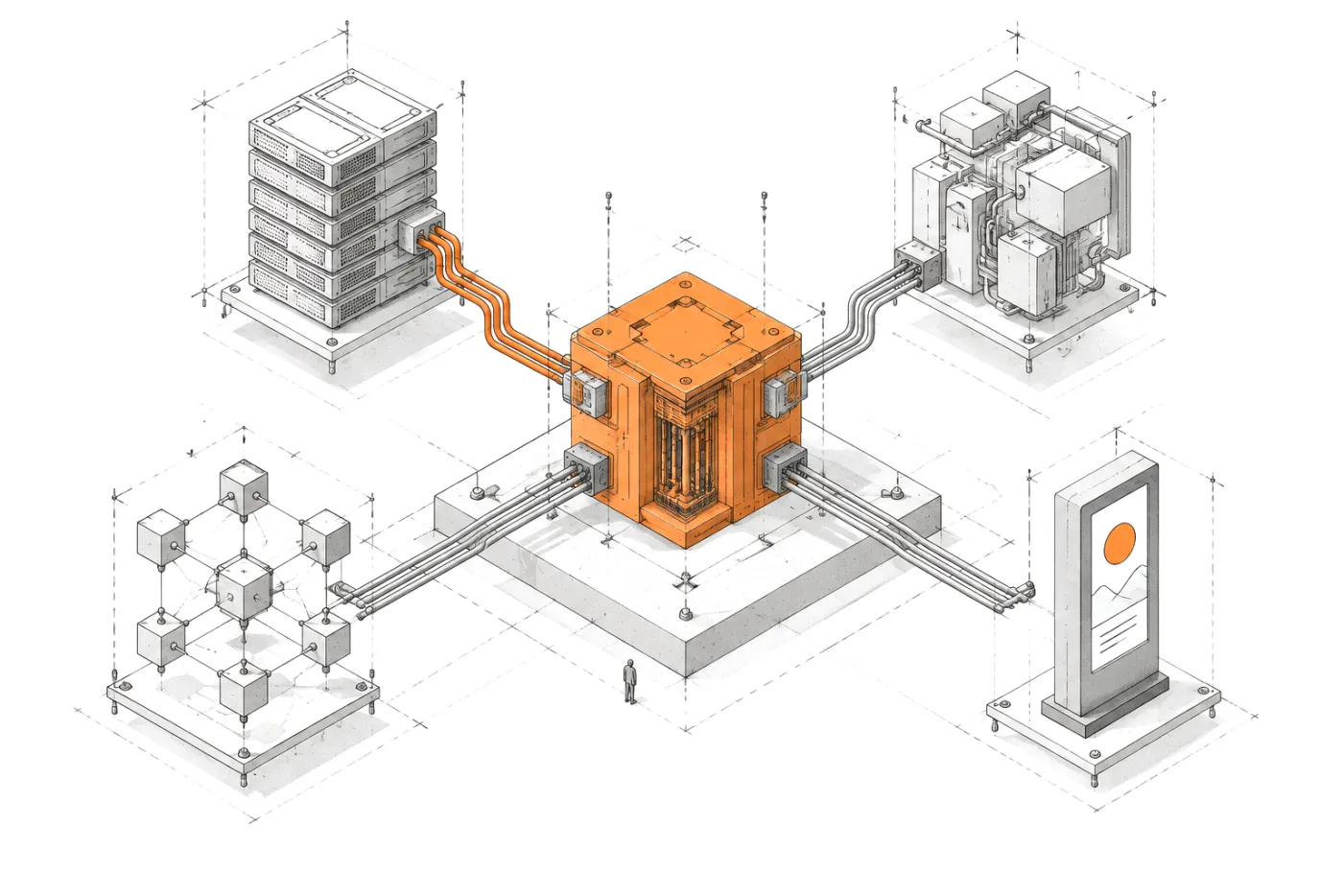
Each project combines the layers it needs. Not every system needs AI; every system needs an architecture that makes sense.
- 01 / CUSTOM SOFTWARE
Custom software
Platforms, internal tools, CRM systems and digital products built around real business processes.
- Digital platforms
- Internal tools and back offices
- CRM systems
- Integrations and APIs
- 02 / DATA INTELLIGENCE
Data intelligence
Connect scattered data, define what it means and turn it into visibility, alerts and decisions.
- Source integration
- A data layer with verified definitions
- Alerts and briefings
- Dashboards that end in a decision
EvidenceAtalayaIQ
Data intelligence - 03 / AI + AUTOMATION
AI + automation
AI where it adds value. Deterministic software where predictability matters more.
- Assistants over your own data
- Models with bounded tools
- Process automation
- Cost and quality measurement
- 04 / DIGITAL EXPERIENCES
Digital experiences
Technology for tourism, events, physical spaces and connected experiences.
- Trade-fair pavilions and stands
- Data-driven screens and video walls
- Tablets, QR and NFC
- Networking web apps
EvidenceEvent Tech
Event Tech case study
03 / FIT
When a custom system makes sense.
And when it does not: if a standard tool solves your problem well, I will tell you. Building only makes sense when the fit matters.
- 01Your processes are spread across tools that do not talk to each other.
- 02Manual work repeats every week and nobody has managed to remove it.
- 03The data exists, but it arrives late or nobody uses it to decide.
- 04A standard tool forces you to work the way it decides.
- 05You need a new piece that has to work alongside what already works.
04 / EVIDENCE
Systems that combine the layers.
Every capability on this page is backed by a real, documented system. No mock-ups and no invented figures.
- Physical · Software · Data
Event Tech
Systems for pavilions, stands and international trade fairs, where apps, screens, devices, data and stand staff have to work together, live, on a fixed date.
Case study: Event Tech - Software · Data · AI
Rocio.com
A digital property with around 15 years on WordPress, rebuilt as its own platform: content, events, brotherhoods and a 30-year archive connected in a single system.
Case study: Rocio.com - Data · AI · Software
AtalayaIQ
An intelligence layer over seven years of operational data from a national events company, without migrating its systems: capacity, costs, project risk and alerts in one management view.
Case study: AtalayaIQ - Software · Data
Zentia
A single platform that runs several real-estate agencies, each with its own brand, listings, leads and admin panel, and with each agency’s data isolated in the database itself.
Case study: Zentia
05 / PROCESS
You bring the problem. I design and build the system.
You do not need to arrive with a solution, or know which technology you need.
- 01 — PROBLEM
What is not working, what costs too much, or what cannot be done today.
- 02 — DATA
What information exists, where it lives and what state it is in.
- 03 — CONSTRAINTS
Budget, deadlines, existing systems, team and regulation.
- 04 — OBJECTIVE
What has to happen for the system to be worth it.
- 05 — SYSTEM
I design and build the system, and keep supporting it after launch.
What system does your business need?
You do not need to know which technology you need. Tell me the problem, the data, the constraints and the objective.